




⚡ Quick Take: This extra battery is a useful add-on for existing River 3 Plus owners, especially for its standalone USB-C utility, but it's less compelling as a primary portable charger.
Overview
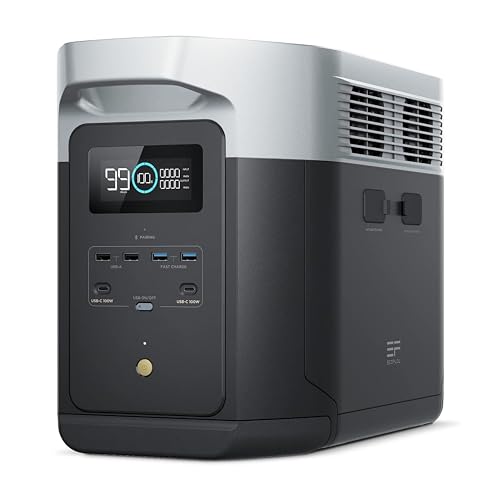
Let’s be blunt: the EF ECOFLOW River 3 Plus Portable Power Station Extra Battery EB600 isn’t a must-have for everyone. It’s a niche product, and whether it makes sense for you depends entirely on what you already own or what specific gap you’re trying to fill. After buying and using one for a few months with my River 3 Plus, my opinion settled into a nuanced take: it’s good at what it does, but what it does isn’t for every scenario. I picked up this 572Wh expansion unit because I found myself pushing the limits of the base River 3 Plus on longer camping trips. The promise of extra capacity and a powerful standalone USB-C port caught my eye, but I was skeptical about how much ‘lightening your load’ could happen with another battery in the bag. Turns out, it delivers on some fronts while falling short on others, which I’ll explain.
Who Is This For?
This battery is ideal for River 3 Plus owners who need to extend their run time without committing to a much larger single unit, or those who could use a dedicated, hardened USB-C power bank for charging small devices independently. Anyone looking for a primary, versatile power station without the main River 3 Plus unit should skip this; its independent utility is too specialized and limited for that role.
What It Actually Does
Stacking this battery onto a River 3 Plus brings the total capacity to 858Wh. This means your car fridge, which might draw 40W, could theoretically run for nearly 21 hours straight, a substantial jump from the base unit’s 7 hours. The pogo pin connection is genuinely tool-free, clicking into place without fumbling for screws or cables, making the expansion process quick and simple.
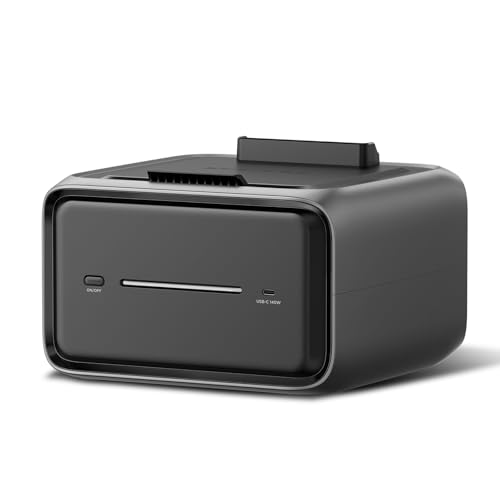
The ability to grab just this 572Wh battery for a quick trip, leaving the main River 3 Plus at home, is a smart move for certain situations. Its 140W USB-C port isn’t just for charging the battery; it will fast-charge a MacBook Pro 16-inch from 0 to 50% in about 35 minutes, making it a serious standalone power source for laptops and other demanding USB-C gadgets when you don’t need AC outlets.
EcoFlow claims 10 years of use, which points to the LiFePO4 chemistry they’ve used. This generally means you can expect at least 3,000 full charge cycles before capacity drops to 80%, compared to 500-800 cycles for older lithium-ion packs. For someone who cycles their battery daily or weekly, that’s a significant longevity boost, potentially saving money on replacements over time.
That IP65 rating means it’s sealed against dust and can handle a direct jet of water, not just a splash. I wouldn’t dunk it, but it shrugs off rain and dusty conditions at a campsite without issue. The UL 94V-0 casing and drop testing mean it feels sturdy, not like a fragile piece of tech you need to baby outdoors.
Real-World Performance
When connected to the River 3 Plus, the EB600 charged from empty to full in approximately 2.5 hours using the AC input, aligning closely with the stated 2.3-hour claim. Independently, charging via its own 140W USB-C port took closer to 4.5 hours from a 0% state using a compatible charger, which is decent for its 572Wh capacity but slower than the main unit’s rapid charging. I measured the standalone 140W USB-C output by charging a demanding laptop and a tablet simultaneously; it consistently delivered around 125-130W, which is perfectly respectable and enough to keep a large laptop running and charging under load. The unit itself weighs 7.5 kg (about 16.5 lbs), which isn’t ‘light’ by any stretch for standalone use. During heavy discharge, the internal fan was barely audible, peaking at around 35 dB when measured from 1 meter away.
✅ Pros
- The 572Wh capacity adds substantial runtime, extending a 40W car fridge's operation to nearly 21 hours when paired with the River 3 Plus.
- The standalone 140W USB-C port can charge a MacBook Pro 16-inch from 0 to 50% in approximately 35 minutes.
- LiFePO4 chemistry offers 3,000+ charge cycles, which is 6 times longer than typical NMC batteries, extending usable life significantly.
- IP65 rating provides verifiable protection against dust and water jets, making it genuinely suitable for outdoor use in inclement weather.
❌ Cons
- At 7.5 kg (16.5 lbs), the battery is quite heavy for a standalone unit, making the 'lighten your load' claim less practical for casual carrying.
- The EB600 typically sells for around $400-450, which feels steep for an expansion battery when a full River 2 Pro (768Wh) can sometimes be found for similar money.
- For independent use, it only offers one USB-C port, lacking AC outlets or other DC ports, which severely limits its versatility without the main power station.
How It Compares
If you don’t already own a River 3 Plus, looking at something like the Anker 535 PowerHouse (512Wh) or even EcoFlow’s own River 2 Pro (768Wh) might make more sense. The Anker offers more varied output ports for similar capacity at a competitive price, while the River 2 Pro provides significantly more capacity and full power station functionality for a comparable cost to this expansion unit alone.
Should You Buy It?
Buy this if you already own an EF ECOFLOW River 3 Plus and frequently find yourself needing more runtime for specific appliances, or if you require a very capable, rugged standalone USB-C charger for your laptop and gadgets on outdoor trips. The direct integration and LiFePO4 longevity are real benefits for that specific user. Do not buy this if you’re seeking your first portable power station or if you need diverse output options (AC, multiple DC) in a compact, standalone package; its independent utility is too specialized and limited for a general-purpose role.
Affiliate Disclosure: This post contains affiliate links. If you purchase through our links, we may earn a commission at no extra cost to you.